Coastal Women Demand Unconditional Climate Funding As Cop31 Nears End
Speakers warn salinity, water shortages and threats to fisheries are undermining coastal livelihoods
Welcome To The
Gender Climate Tracker
Website
About the Gender Climate Tracker
News and Resource Center

Search

Gender Mandates
in Climate Policy
Women's Participation Statistics in Climate Diplomacy
Country Profiles

Data Insights: GCT in Action
| Reference to Women/Gender | |
|---|---|
| Submitted Language |
English
|
| Submitted Translation |
No
|
| Type of Support |
Conditional
Unconditional
|
| Monitoring and/or Implementation |
Monitoring
|
| NDC Commitments |
Mitigation
Adaptation
|
| Participatory Process for NDC Development Mentioned |
Yes
|
| File Url |
Bangladesh is a least developed, highly climate vulnerable country whose emissions are less than 0.35% of global emissions. Impacts of climate change already affecting the livelihoods of much of our population.
This INDC has been prepared through consultation and dialogue with the Government’s Advisory and Technical Committees, which include a range of stakeholders including line ministries, Planning Commission, technical departments, professionals, experts, and the private sector.
Bangladesh acknowledges that monitoring and evaluation of adaptation policies and programmes is crucial to ensure that resources are well utilized to increase the overall resilience of our people. The objective is to mainstream adaptation initiatives in a National Monitoring, Reporting and Verification (MRV) system that is being planned.
| Reference to Women/Gender | |
|---|---|
| Gender Tags | |
| Submitted Language |
English
|
| Submitted Translation |
No
|
| Monitoring and/or Implementation |
Implementation
|
| NDC Commitments |
Mitigation
Adaptation
|
| Participatory Process for NDC Development Mentioned |
No
|
| File Url |
Small South Asian developing country that is susceptible to extreme weather events exacerbated by climate change.
This update was developed through a “structured process involving stakeholders from relevant ministries and agencies. Stakeholder consultations were also held, with participants from academia, the private sector and reporters. This updated NDC is described as the product of lessons learned from Bangladesh’s preparation of its 2015 Intended Nationally Determined Contribution (INDC), NDC implementation roadmap and action plan in 2018, and from its National Communications to the UNFCCC.
Bangladesh prepared an NDC implementation roadmap and action plan and is currently creating a workable Measurement, Reporting and verification (MRV) system to maintain transparency and verification of its mitigation efforts and outcomes.
Bangladesh highlights numerous policy initiatives and plans for achieving the goals in its Updated NDC. One of these plans includes a reference to women - the National Action Plan for Clean Cooking promotes "access to climate funds, leveraging government funds to finance women-led businesses, and lobbying for additional financing options from international donors."
Speakers warn salinity, water shortages and threats to fisheries are undermining coastal livelihoods
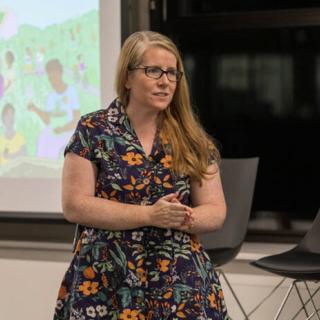
Shama said a climate affairs wing had been established at the Ministry of Foreign Affairs
Coastal salinity is reshaping women’s health, labour and household survival, exposing risks left outside of national planning.
Raw grassroots experiences and high-level policy, mapped out scalable pathways for gender-responsive action
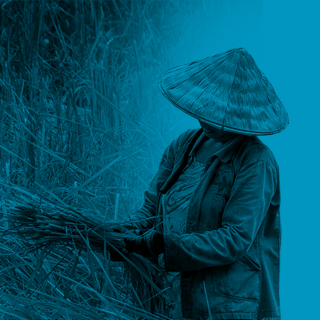
Climate change disproportionately affects poor and marginalised households, particularly women, who are linked to agriculture.
2025
2025
2024
2024
2023
 Download
2023
Download
2023
2023
Download
2023
Download
2022
2022
Download
2022
Download
2021
Download
2021
Download
2021
2021
2020
Download
2020
Download
2019
Download
2019
Download
2019
Download
2018
Download
2017
Download
2016
Download
2015
Download
2015
Download
2013
Download the GCT App for your mobile device for the offline access to our data.


Share your relevant documents on the country profiles and help us improve the platform.