Women Need Meaningful Role, Not Just Representation
Speakers at the Women and Climate Summit in Oman urged women to become climate policy designers instead of just beneficiaries.

Welcome To The
Gender Climate Tracker
Website
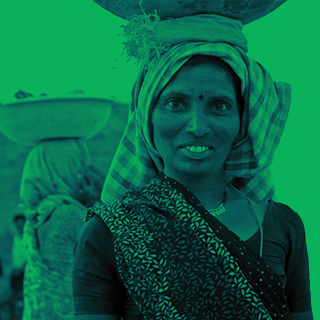
About the Gender Climate Tracker
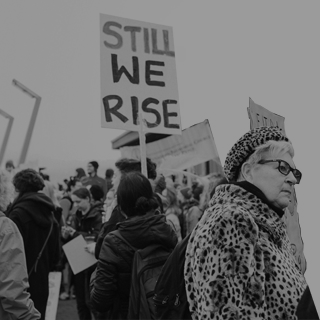
News and Resource Center

Search

Gender Mandates
in Climate Policy
Women's participation statistics in climate diplomacy
Country Profiles
Speakers at the Women and Climate Summit in Oman urged women to become climate policy designers instead of just beneficiaries.
Coastal salinity is reshaping women’s health, labour and household survival, exposing risks left outside of national planning.
Understand the importance of inclusive climate action in Nigeria.
A new study shows that women farmers are turning to borrowing to cope with climate-related shocks.
Ms Rakuita made the comments during a side event on unlocking gender-responsive disaster finance in Koror, Palau.
This new initiative in Fiji, Vanuatu, Tonga, Kiribati will engage women to lead nature-based adaptation solutions.
From pregnancy and maternal health to gender-based violence, women bear the brunt of the climate crisis.
Raw grassroots experiences and high-level policy, mapped out scalable pathways for gender-responsive action
Wayuú people lead community action to build climate resilience in La Guajira, Colombia
Women and girls are disproportionately affected by climate change impacts, worsening existing inequalities.
Grassroots activists and leaders connected at Eco-Feminist Circle and Collective Gathering in Zimbabwe
For many farming families, regenerative practices are not only environmentally beneficial but also economically practical
France ambassador to Pakistan Nicolas Galey on Wednesday said that more than 350 applications from across Pakistan highlighted t
A participatory documentary project in Tanzania seeks to bring women’s climate work into the spotlight.
Women's collectives have emerged as critical platforms to allow women to break barriers and engage in local climate solutions.
A new facility was launched to support initiatives that integrate gender equity into conservation and climate action.
Through the Climate Promise initiative, the UN is supporting countries in their pursuit of ambitious national climate pledges.
Ghana's Climate Atlas provides localized, high-resolution climate data to guide targeted interventions.
As climate litigation gathers force, women are helping to redefine what accountability looks like.
The Climate Change Commission in the Philippines integrates gender equality in the country's latest NDC-GAP.
Download the GCT App for your mobile device for the offline access to our data.


Share your relevant documents on the country profiles and help us improve the platform.