Land, Climate and Justice: Grassroots Women at the Global Land Forum
Despite the erosion of rural and Indigenous women’s land rights, they continue to develop new strategies to protect their rights
Welcome To The
Gender Climate Tracker
Website
About the Gender Climate Tracker
News and Resource Center

Search

Gender Mandates
in Climate Policy

Women's Participation Statistics in Climate Diplomacy
Country Profiles

Data Insights: GCT in Action

| Reference to Women/Gender | |
|---|---|
| Context of Gender Reference |
Adaptation
|
| Gender Tags | |
| Submitted Language |
French
|
| Submitted Translation |
No
|
| Type of Support |
Conditional
|
| Monitoring and/or Implementation |
Monitoring
|
| NDC Commitments |
Mitigation
Adaptation
|
| Participatory Process for NDC Development Mentioned |
Yes
|
| File Url |
The DRC is a developing nation with a 2060 vision of emergence.
As a precursor to the INDC, the DRC had already created The National Sustainable Development Strategy and the Government's action program for the 2012-2016 period was created as a part of the plan for emergence in 2030 revolve around the mining sectors, agriculture, forestry and the development of the industrial fabric in a more decentralized framework. The Ministry of Environment and Sustainable Development (MEDD), through the Sustainable Development Division (SDD), a government body for international negotiations, responsible for coordinating and monitoring the smooth and consistent implementation of the action government on climate change, ensures the management of GHG inventories. A national committee on climate change, under the supervision of the Secretary General for the Environment and Sustainable Development, in an intersectoral and interdisciplinary approach gives the main guidelines for the implementation of programs and projects in the field of climate change. Under the supervision of the DDD, teams of experts, from government ministries and agencies, national research centers and universities, private institutions and NGOs, are responsible for the definition of methodological approaches and execution the work of estimating greenhouse gas emissions and assessment of vulnerability to climate change impacts, and technology needs. Responsibility for the formal approval of inventory reporting GHG emissions specifically the responsibility of the National Climate Committee.
DRC recognizes that the monitoring and evaluation of policies and programs of adaptation is crucial to ensure that resources are focused on measures that will give the best chance to increase the resilience of its people. The development of key adaptation indicators has already been explored in the PANA -ASA, with the aim of integrating adaptation and vulnerability indicators in the national system for monitoring, reporting and verification (MRV) to be developed.
Women mentioned in the adaptation context as a vulnerable group (WVG) and as beneficiaries of projects (B) through the PANA - AFE (2015-2020): strengthening resilience of women and children to address climate change. It is the commitment of the DRC to protect the most vulnerable to climate risks.
| Reference to Women/Gender | |
|---|---|
| Submitted Translation |
No
|
| File Url |
Despite the erosion of rural and Indigenous women’s land rights, they continue to develop new strategies to protect their rights
Rencontre de la plateforme des villes francophones sur l’égalité et le changement climatique
Contribuer à la promotion des politiques sectorielles prônant le genre et l’autonomisation des femmes rurales et autochtones
Development approaches must address structural barriers and power imbalances for women and other marginalized groups to adapt.
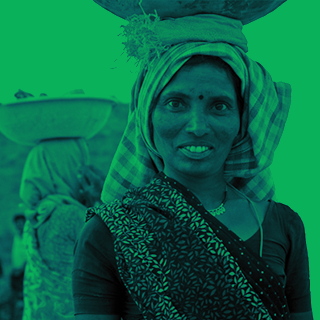
Rural women and girls are a powerful force in climate resilience.
2022
 Download
2022
Download
2022
Download
2022
2021
2019
Download
2018
2018
2017
2017
Download
2016
Download
2013
Download the GCT App for your mobile device for the offline access to our data.


Share your relevant documents on the country profiles and help us improve the platform.